Chemical reaction
Process rearranging atoms with energy change, yielding new substances.

Д.Ильин : translation, optimization · CC0
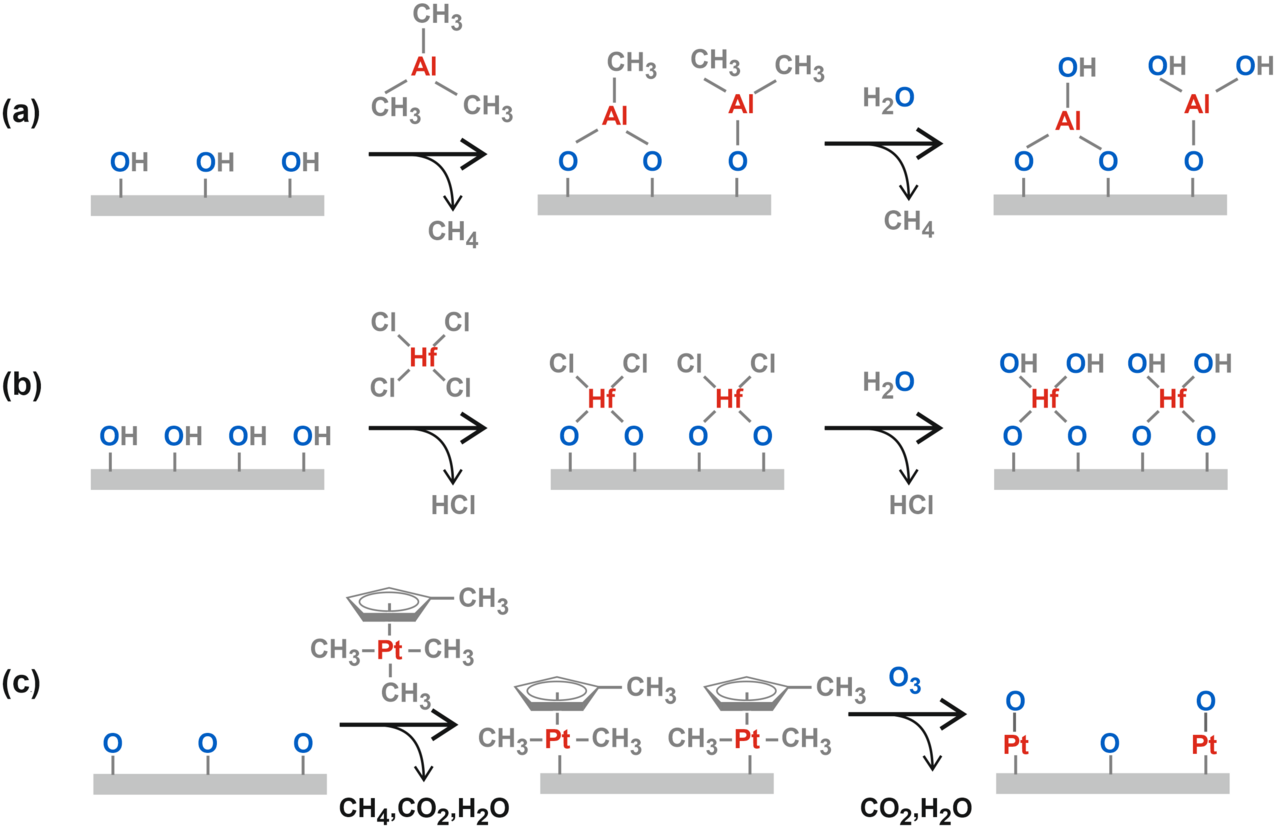
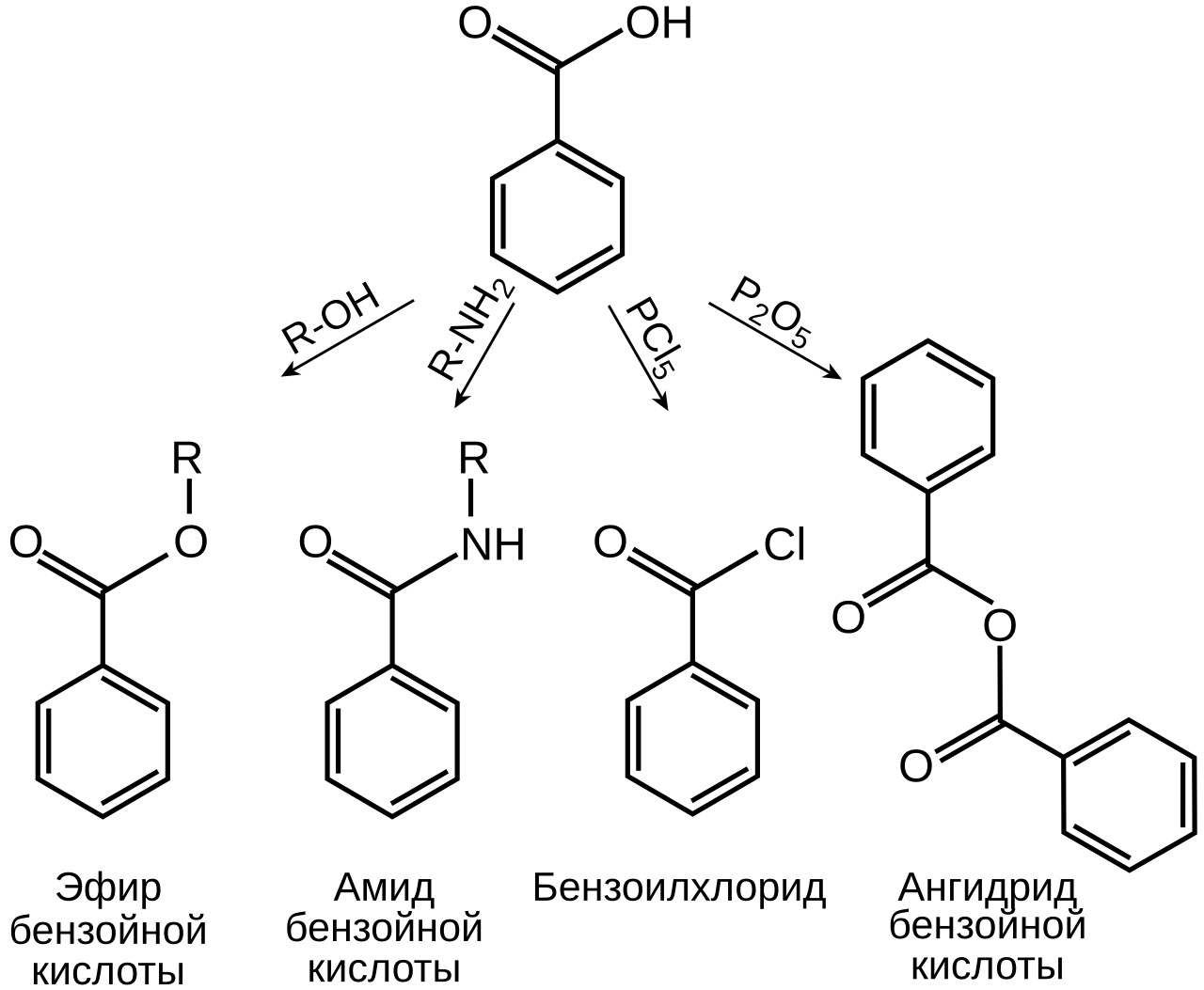
A chemical reaction is a process that leads to the chemical transformation of one set of chemical substances to another. When chemical reactions occur, atoms are rearranged and the reaction is accompanied by an energy change as new products are generated. Classically, chemical reactions encompass changes that only involve the positions of electrons in the forming and breaking of chemical bonds between atoms, with no change to the nuclei, and can often be described by a chemical equation. The substance or substances initially involved are called reactants or reagents, and they yield one or more products with properties different from the reactants.
- field
- Chemistry
- known_for
- Transformation of substances via rearrangement of atoms, with energy changes; described by chemical equations; includes exothermic and endothermic reactions; classified as redox or non-redox; fundamen
Lore & Background
Chemical reactions such as combustion, fermentation, and the reduction of ores to metals were known since antiquity. Initial theories of transformation were developed by Greek philosophers, such as the Four-Element Theory of Empedocles. In the Middle Ages, chemical transformations were studied by alchemists, who attempted to convert lead into gold using reactions of lead and lead-copper alloys with sulfur. In the 17th century, Johann Rudolph Glauber produced hydrochloric acid and sodium sulfate by reacting sulfuric acid and sodium chloride.
Reader's Guide
Chemical reactions are central to chemistry, enabling the transformation of substances through the rearrangement of atoms and the breaking and forming of chemical bonds. They are characterized by energy changes, such as exothermic reactions that produce heat and endothermic reactions that require heat. Reactions occur at characteristic rates influenced by temperature and concentration, with rates typically increasing with temperature due to greater thermal energy to reach activation energy. Reactions can be classified as redox (involving oxidation and reduction) or non-redox. In biochemistry, consecutive reactions form metabolic pathways, often catalyzed by protein enzymes that increase reaction rates. The concept has been extended to reactions between entities smaller than atoms, including nuclear reactions and radioactive decays.
Did You Know?
- Chemical reactions are usually characterized by a chemical change, yielding products with properties different from the reactants.
- Some reactions produce heat (exothermic), while others require heat to occur (endothermic).
- The elementary reaction is the smallest division into which a chemical reaction can be decomposed, with no intermediate products.
- Enzymes increase the rates of biochemical reactions, allowing metabolic syntheses and decompositions impossible under ordinary conditions to occur within a cell.
The Atomic Heartbeat
Chemistry, at its core, is the discipline devoted to understanding how matter—built from chemical elements—behaves, changes, and interacts. At the center of this inquiry sit atoms and the bonds they form with one another, and it is precisely in the breaking and reforming of those bonds that chemical reactions unfold. The field is not merely a collection of laboratory observations; it is a recognized academic discipline with its own curricula, degrees, national and international societies, and peer-reviewed journals. It functions simultaneously as a natural science that seeks the rules governing the physical world through empirical method, a physical science focused on non-living systems, and a biological science that traces chemical processes through living organisms. This multi-layered identity means that a single reaction can be examined through the lens of thermodynamics, molecular structure, or cellular function, each perspective revealing a different facet of the same atomic event.
Time, Energy, and the Speed of Change
Not all reactions unfold at the same pace, and the field has developed specialized branches to capture that diversity. Chemical kinetics is dedicated to measuring how fast processes proceed, while thermochemistry and calorimetry focus on the heat absorbed or released during those transformations. At the extreme end of the timescale, femtochemistry investigates reactions that complete in roughly one quadrillionth of a second, pushing the boundaries of what can be observed. Physical chemistry, which draws heavily on infinitesimal calculus and quantum mechanics, provides the mathematical and theoretical scaffolding for understanding the energetics and dynamics behind every reaction. Spectroscopy, meanwhile, studies how matter interacts with radiated energy, offering a window into the electronic and structural changes that accompany a reaction. Together, these sub-disciplines ensure that a chemical reaction is never described by a single number; it is a rich interplay of rate, energy flow, and molecular rearrangement that can be dissected from multiple complementary angles.
Where Worlds Meet
Many of the most fascinating reactions occur not in homogeneous bulk but at boundaries between different phases or media. Electrochemistry examines reactions that take place at the interface of an electron conductor—such as a metal or semiconductor electrode—and an ionic conductor like an electrolyte, where electrons are transferred between the two. Surface science broadens this idea to any interface: solid–liquid, solid–gas, solid–vacuum, or liquid–gas, each presenting unique physical and chemical phenomena. Photochemistry adds another dimension by studying reactions that are triggered by the absorption of light by atoms or molecules, meaning the energy source is electromagnetic rather than thermal. Geochemistry, in turn, applies chemical reasoning to the mechanisms behind major geological systems, where reactions play out over vast spatial and temporal scales. These interface-driven fields remind us that a reaction's environment—what it touches, what energy it receives, what medium it sits in—can be as defining as the atoms involved.
Reactions That Build Life and Medicine
When chemical reactions are directed toward living systems, the stakes and the complexity multiply. Biochemistry maps the chemicals, reactions, and interactions that sustain organisms, linking closely to molecular biology and genetics. Neurochemistry narrows the focus to the transmitters, peptides, proteins, lipids, sugars, and nucleic acids that form, maintain, and modify the nervous system. Medicinal chemistry applies the full toolkit of reaction design to medical and drug-related purposes, while bioorganic chemistry deliberately merges organic and biochemical methods to serve biological questions. Organometallic chemistry, which studies compounds containing at least one bond between a carbon atom and a metal—ranging from alkaline and transition metals to metalloids like boron, silicon, and tin—sits at a fertile intersection where organic and inorganic disciplines overlap. Bioinorganic chemistry further explores the role of metals in biology. Together, these branches show that the same fundamental bond-making and bond-breaking events that define chemistry in a flask are the very processes that keep a cell alive and a drug effective.
Gallery



Frequently Asked Questions
What is a chemical reaction?
A chemical reaction is a process in which one or more starting substances are transformed into different products through the rearrangement of atoms. During this rearrangement, chemical bonds are broken and formed, and the process is always accompanied by some release or absorption of energy.
What are the main 'powers' or defining features of a chemical reaction?
Its core abilities include reshuffling atoms into new arrangements, shifting energy (either releasing it as heat or absorbing it from the surroundings), and producing substances with properties distinct from the originals. These transformations are classically limited to electron-level changes in bonding, leaving atomic nuclei untouched.
How is a chemical reaction typically described or 'summarized'?
Chemists capture a reaction with a chemical equation that lists the reactants on one side and the resulting products on the other, balanced so that atom counts match. This shorthand lets you see at a glance what goes in, what comes out, and how much of each is involved.
What categories or 'subtypes' does a chemical reaction fall into?
Reactions can be sorted by energy flow into exothermic (releasing heat) and endothermic (absorbing heat) types, and by electron transfer into redox and non-redox classes. These labels help predict behavior and organize the vast landscape of possible transformations.
Why is the chemical reaction considered a cornerstone of Chemistry Fundamentals?
It is the fundamental mechanism by which matter changes its identity, making it the engine behind everything from metabolism to industrial synthesis. Understanding how atoms rearrange with accompanying energy shifts is essentially the central question the entire field of chemistry revolves around.
More in Chemistry Fundamentals 25-28
Elsewhere in the Chemistry Fundamentals universe
Spotted an error? Know more?
This is a living reference — every entry is fact-audited, and reader corrections feed straight into our audit queue. Suggest an edit · See this site's audit record