
Alcohol (chemistry)
Organic compounds with a hydroxyl group on a saturated carbon atom.

Job I · Public domain
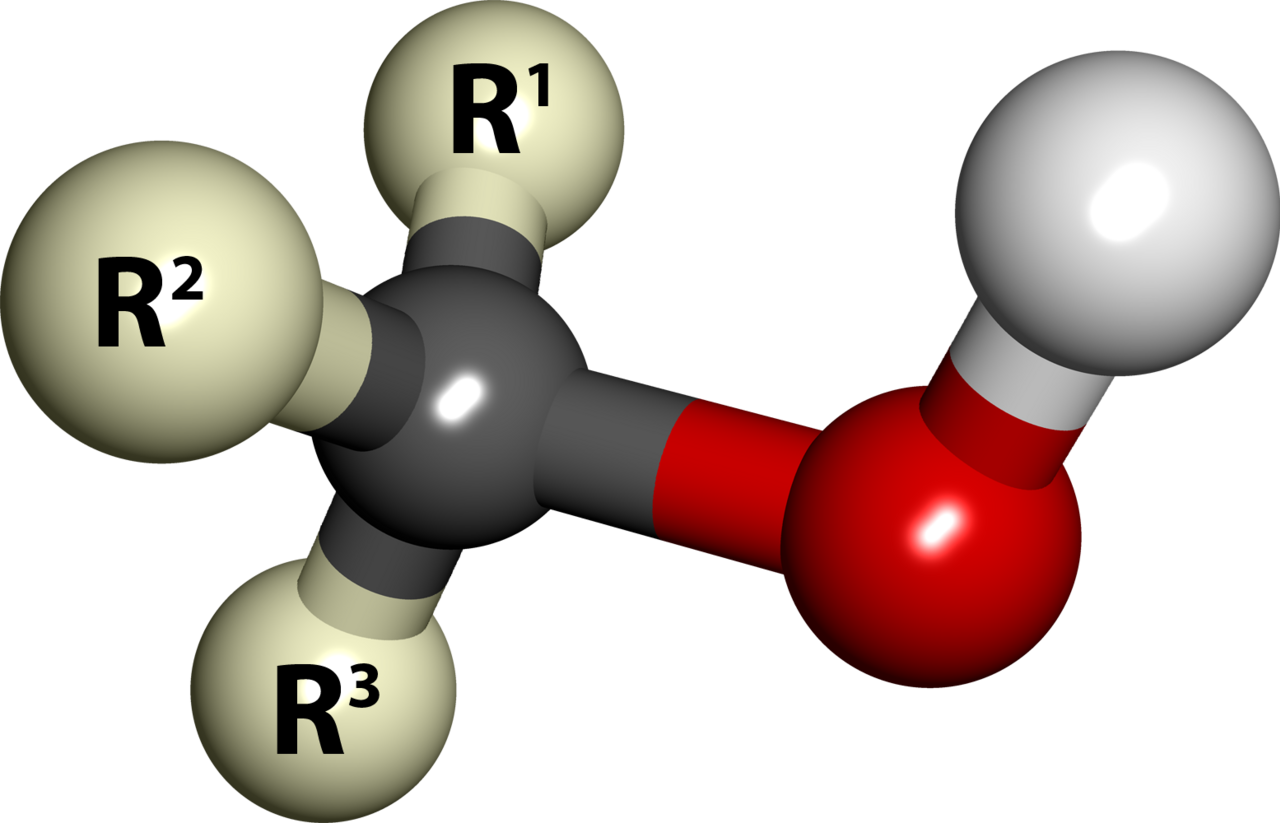
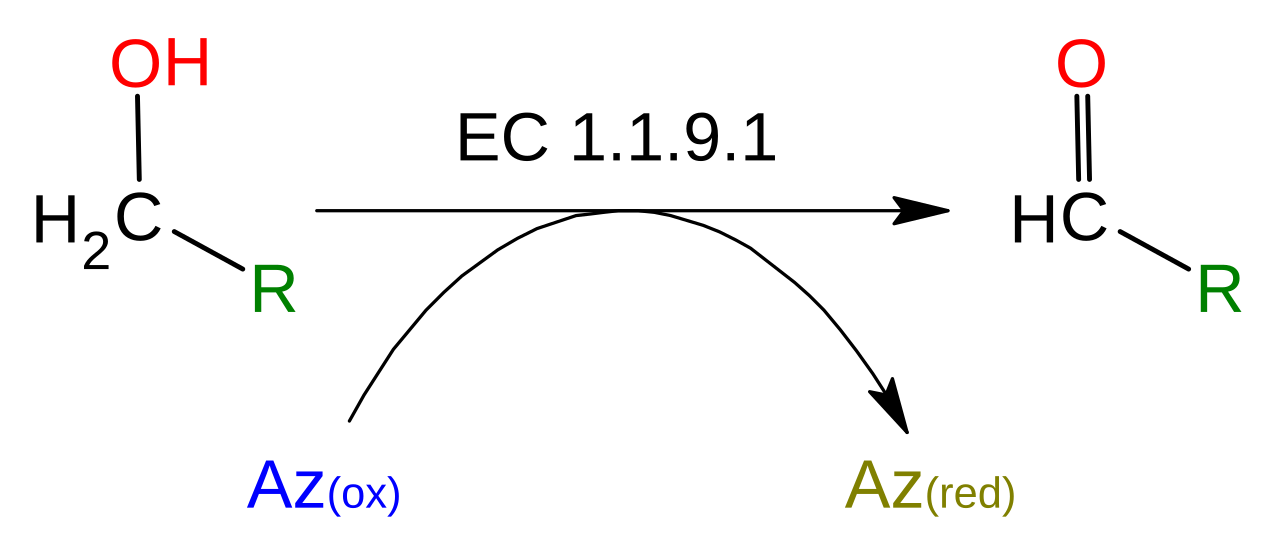
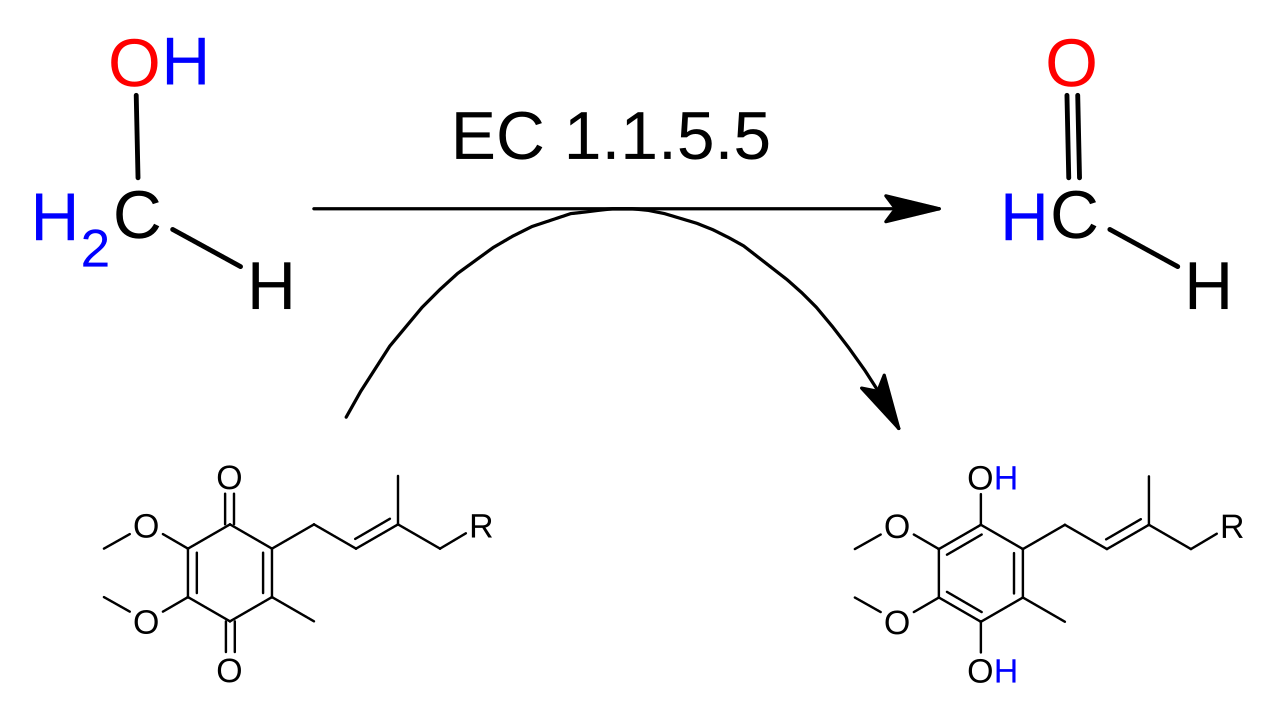
Alcohols are a class of organic compounds characterized by the presence of at least one hydroxyl (−OH) functional group bound to a saturated carbon atom. They range from simple substances like methanol and ethanol to complex ones like sugar alcohols and cholesterol, and their properties are strongly modified by the hydroxyl group, which confers hydrophilic characteristics and provides a site for many chemical reactions.
- definition
- Organic compound with at least one hydroxyl group on a saturated carbon
- etymology
- From Arabic al-kuḥl, originally a fine powder of antimony sulfide
- toxicity note
- Simple alcohols have low acute toxicity; methanol and ethylene glycol are more toxic
Lore & Background
The flammable nature of wine vapors was known to ancient philosophers such as Aristotle, Theophrastus, and Pliny the Elder, but the isolation of alcohol did not immediately follow. An important advance came in ninth-century writings attributed to Jābir ibn Ḥayyān, noting that adding salt to boiling wine enhanced the flammability of the vapors. Distillation of wine is attested in works by al-Kindī, al-Fārābī, and al-Zahrāwī. By the twelfth century, Latin works described producing aqua ardens ('burning water') by distilling wine with salt, and by the late thirteenth century, alcohol was widely known among Western European chemists.
Reader's Guide
The term 'alcohol' originally referred to a fine powder from the sublimation of stibnite, used as an antiseptic and cosmetic. Its meaning later extended to distilled substances in general, then narrowed to ethanol. Alcohols are classified as primary, secondary, or tertiary based on the carbon bearing the hydroxyl group. They have diverse applications: methanol is used for formaldehyde production and as a fuel additive; ethanol is used in beverages, as a solvent, and for sterilization; higher alcohols serve as plasticizers and detergent precursors. The IUPAC naming system uses the suffix -ol for alcohols, with prefixes like hydroxy- when higher-priority groups are present. Phenols, with the hydroxyl on an aromatic ring, are classified separately.
Did You Know?
- The word 'alcohol' derives from Arabic al-kuḥl, a powder used as an eyeliner.
Ancient Roots of Chemical Practice
By roughly 1000 BC, human societies had already cultivated a remarkable toolkit of practical techniques that would later crystallize into chemistry's many branches. Among these early accomplishments were the fermentation of beer and wine, the isolation of medicinal and aromatic compounds from plant material, the conversion of animal fats into soap, and the crafting of glass, pottery, and glazes. These were not isolated tricks but sustained, generational practices that revealed an intuitive grasp of how substances change when combined, heated, or left to react over time. The harnessing of fire, the extraction of metals from ore, and the deliberate creation of alloys such as bronze all testify to a long tradition of purposeful matter manipulation. What made these ancient efforts so significant was not any single breakthrough but the cumulative body of hands-on knowledge that built across centuries, providing the raw practical foundation that would eventually be formalized into the rigorous scientific discipline we recognize today.
Fire as the Primal Chemical Transformation
Arguably the most consequential chemical reaction in human history was the controlled use of fire. For thousands of years, early peoples understood fire not as a chemical process but as a mystical force capable of converting one substance into another—turning wood to ash, or water to steam—while releasing heat and light. That perception lingered long after fire became indispensable to daily survival. Cooking, warming shelters, and providing illumination were the most immediate benefits, yet fire's deeper impact was far more far-reaching. It made possible the firing of pottery and bricks, the melting of metals for tool-making, and ultimately the discovery of glass and the purification of metals that gave rise to metallurgy as a discipline. In this sense, every subsequent branch of chemistry, including the fermentation processes behind beer and wine, traces its practical lineage back to humanity's first mastery of combustion. Fire was the original catalyst that turned raw natural materials into engineered substances.
From Alchemy to the Experimental Method
Before modern chemistry could take shape, it had to pass through the era of alchemy—a proto-scientific tradition that ultimately could not explain the true nature of matter or the mechanisms behind its transformations. Alchemists pursued ambitious goals, yet their theoretical frameworks never achieved the explanatory depth required to describe chemical reality accurately. What they did accomplish, however, proved equally vital: they carried out experiments and diligently documented their findings. This discipline of systematic observation and careful record-keeping laid the intellectual groundwork upon which rigorous chemistry would later be built. The broader narrative also connects chemistry to thermodynamics, a link made especially clear through the contributions of Willard Gibbs, whose work tied energy transformations to chemical behavior. The arc from alchemical speculation to evidence-based experimental science stands as one of humanity's most profound intellectual transitions, and it is within this evolving framework that the chemistry of substances like alcohol—its fermentation, its molecular structure, its transformations—found its proper scientific context.
Metallurgy as a Window into Chemical Progress
The story of metallurgy offers a compelling lens through which to view the broader evolution of chemistry. The earliest metals humans worked—gold, silver, copper, tin, and even meteoric iron—were available in their native, uncombined form, requiring only limited processing. Gold appears in Spanish caves dating to around 40,000 BC, and the Varna culture in Bulgaria produced the earliest known gold metallurgy around 4600 BC. The true chemical leap came with smelting: heating ore-bearing rocks to extract tin, lead, and copper. Evidence of this practice dates to the sixth and fifth millennia BC in sites across Serbia, with a copper axe from 5500 BC at Belovode among the oldest artifacts. The deliberate combination of copper and tin into bronze, beginning around 3500 BC, marked a major technological shift and inaugurated the Bronze Age. Later, the Hittites' development of iron working around 1200 BC opened the Iron Age, driven by iron ore's far greater abundance compared to copper and tin. Each of these transitions was, at its core, a chemical achievement that reshaped civilization.
Gallery


Frequently Asked Questions
Who is Alcohol (chemistry)?
Alcohols are a broad family of organic molecules united by one defining feature: a hydroxyl (−OH) group bonded to a saturated carbon atom. That single structural trait links everything from tiny methanol to sprawling cholesterol under one umbrella.
What are Alcohol (chemistry)'s powers/role?
The hydroxyl group makes alcohols water-loving and turns them into highly versatile reaction sites for a wide array of chemical transformations. This dual hydrophilic/reactive character places alcohols at the center of both biochemistry and industrial synthesis.
How does Alcohol (chemistry)'s story end?
Alcohols don't have a single finale; instead their arc branches into an ever-widening family tree, from simple two-carbon ethanol to polyhydroxylated sugar alcohols and sterol frameworks like cholesterol. The hydroxyl group remains the constant anchor no matter how complex the structure grows.
Why is Alcohol (chemistry) important?
Because the hydroxyl group offers a built-in reactive handle, alcohols serve as essential intermediates in pharmaceuticals, fuels, and countless biological pathways. Without this class of compounds, many molecules critical to life and modern industry simply would not exist.
Where does the name 'Alcohol' come from?
The term traces back to the Arabic word al-kuḥl, which originally described a fine antimony sulfide powder used in cosmetics. Over centuries the word migrated into European languages to label the distilled spirit and eventually came to designate the entire hydroxyl-bearing compound family.
More in Chemistry Fundamentals 1-24
Elsewhere in the Chemistry Fundamentals universe
Spotted an error? Know more?
This is a living reference — every entry is fact-audited, and reader corrections feed straight into our audit queue. Suggest an edit · See this site's audit record